
Learn how to build emotional safety within yourself, especially if you’ve spent years looking to your mother for reassurance, validation, comfort, or approval.
Wow. This is at the heart of my work. One of the most powerful shifts a woman can make is realizing she no longer has to wait for someone else…even her mother to give her what she is fully capable of learning to give herself. Let’s be honest, there’s a certain kind of exhaustion that comes from always needing someone else to help you feel okay. Maybe you call your mother when something goes wrong because you need to hear her say, “You’re going to be okay.” Maybe you share a decision with her and immediately watch her face, listen to her tone, or wait for her response to determine whether you made the right choice. Or maybe your relationship with your mother has never felt particularly safe; you’ve never felt seen, heard, or validated, yet some part of you keeps returning to her hoping that this time will be different. This time, she’ll understand you, reassure you, validate your feelings, or respond in the way you’ve always needed. As adult daughters, we can spend years looking to our mothers for a sense of emotional safety without realizing we’re doing it. And when Mom can’t give us what we need, we may feel rejected, anxious, angry, disappointed, or like that little girl all over again. Learning how to build emotional safety within yourself doesn’t mean you stop needing people. We all need connection, support, and healthy relationships. Learning how to build emotional safety within yourself means someone else (your mother) no longer has to make you feel okay before you can begin to feel okay within yourself.
What Is Emotional Safety?
Most women don’t really understand what emotional safety really is. Emotional safety is the ability to experience your thoughts, feelings, needs, and emotions without immediately fearing them, judging them, abandoning yourself, or needing someone else to make them go away. In other words, you can feel it and still be okay. Emotional safety sounds like “I don’t have all the answers yet, but I trust myself.” Or “Someone can be disappointed with me without me giving up on what I need.” Or you don’t need your mother to agree with you for your experience to be valid. Here’s the deal… that last one can be especially difficult for adult daughters and it makes sense. She was your earliest emotional relationship. Before you knew anything about love, boundaries, self-worth, emotional regulation, or self-trust, you were learning about yourself through your relationship with her. Think about…
Her responses mattered.
Her comfort mattered.
Her approval mattered.
She is literally a layer of your being. And if any of those things were inconsistent, unavailable, conditional, or missing, you may have learned to look outside yourself for the safety you struggled to develop inside yourself.
Why Do I Depend on My Mother for Emotional Support?
As children, we naturally look to our caregivers for emotional safety. Think about it—when something frightened us, hurt us, confused us, or overwhelmed us, we needed an emotionally available adult to help us understand what was happening and reassure us that we were going to be okay. For many daughters, our mothers become our first connection to the world and to ourselves. Before we have the words to explain what we’re feeling, we’re watching her. We experience messages like:
- Your feelings make sense
- You can come to me
- I see you
- I am here for you
- We can work through this together.
- You don’t have to be perfect to be loved.
- It’s okay to need help.
Over time, those repeated experiences help a child begin developing an internal sense of safety. But what happens when your mother couldn’t consistently provide emotional safety? Maybe she loved you deeply, but emotions were hard for her. When you cried, she didn’t know how to comfort you. When you were hurt, you were told to stop crying, what are you crying about, or be strong. When you were angry, your feelings were seen as disrespectful. When you tried to explain yourself, you were told you were talking back. So little by little, you learned there were certain feelings you could have—and others you needed to keep to yourself.
Maybe your mother was critical. You remember being corrected more than comforted. She commented on your clothes, your body, your grades, your choices, your attitude, or the way you did things. Even when she meant well, you were left wondering, Am I ever getting this right?
Maybe your mother was overwhelmed by her own life. She was surviving, working, raising children, navigating a difficult relationship, carrying financial stress, caring for everyone else, parenting alone or dealing with wounds of her own. You could see that she had a lot on her plate, so you tried not to add to it. You became the daughter who was “fine.” The responsible one. The mature one. The daughter who learned how to need less. Maybe you could talk to your mother about practical things, but not the things happening inside of you. She made sure you had food, clothes, a home, an education, and everything she believed a “good” mother should provide, but conversations about fear, loneliness, rejection, disappointment, or heartbreak didn’t happen very often.
Maybe you grew up walking on eggshells, afraid of stepping on the next emotional landmine. Your mother’s mood determined the emotional temperature of the house, so you learned to pay attention to her face, her tone of voice, the way she closed a door, or even the way she walked into a room. You knew when something felt “off” before anyone said a word. You learned when it was safe to ask a question, when to stay quiet, when to disappear into your room, and when to make yourself small. You may have become really good at anticipating what everyone else needed because knowing what was coming helped you feel a little safer. You learned how to read the room before you learned how to read yourself. Maybe you were the strong daughter. The helper. The peacekeeper. The daughter everyone could depend on. You learned to hold it together because there wasn’t always room for you to fall apart.
A mother can love her daughter deeply and still be unable to provide the emotional safety her daughter needed on a regular basis. Both things can be true. This isn’t about deciding whether your mother was good or bad. It’s about being honest about what you experienced as her daughter. And when emotional safety was inconsistent, you adapted. You learned what kept you connected, what kept the peace, what earned approval, what avoided criticism, and which parts of yourself felt safest to keep tucked away.
You did what daughters learn to do: you figured out how to belong in the emotional environment you were given. Sometimes, those lessons follow us right into adulthood.
10 Signs You May Be Looking to Your Mother for Emotional Safety
You might:
You may not consciously think, I need my mother to regulate my emotions. You’re a capable, adult woman; maybe you’re even a mother yourself. But it often looks much simpler. It can show up in the small moments when you find yourself needing her reassurance before you can trust what you already know. You may notice that her approval brings relief, while her disappointment, silence, or disagreement leaves you questioning yourself. Sometimes, it’s not until you begin paying attention to these everyday patterns that you realize just how much of your emotional safety is still connected to Mom.
- Call your mother immediately whenever something goes wrong.
- Feel anxious when she doesn’t approve of a decision.
- Change your mind after talking to her, even when you felt confident beforehand.
- Feel responsible for keeping her happy.
- Overexplain your choices so she’ll understand.
- Need reassurance that you’re doing the “right” thing.
- Feel guilty when you choose something she wouldn’t choose.
- Struggle to calm yourself after conflict with her.
- Share information with her even when experience tells you her response may leave you feeling worse.
- Feel like a little girl again when she’s disappointed in you.
None of these automatically means you have an unhealthy relationship with your mother. The question to consider: Have I learned how to emotionally stay with myself when my mother cannot give me the response I want or need? That is where emotional safety begins. It’s learning that you can feel disappointed, uncertain, or even hurt without losing yourself in the process. You can want comfort and connection from your mother while also becoming a safe, steady place for yourself.
How to Build Emotional Safety Within Yourself
Building emotional safety is not about becoming so independent that you never need anyone. We all need. Needing is not the problem. It’s about learning to meet your own need. It’s about becoming a safe person for yourself. Here are seven places to begin.
1. Notice When You’re Reaching for Mom to Feel Okay
Start with curiosity rather than criticism. The next time you feel the immediate urge to call, text, explain yourself to, or seek reassurance from your mother, notice what’s happening before you act. Ask yourself:
What am I hoping Mom will give me right now?
Is it reassurance?
Permission?
Validation?
Comfort?
Direction?
Someone to tell you that you’re not making a mistake? You don’t necessarily have to stop calling your mother. The goal is to understand the emotional need underneath the call. That awareness changes everything. Instead of automatically reaching outward, you’re learning to look inward first.
2. Pause Before Seeking Reassurance
Try creating a small space between the feeling and your usual response. Before calling Mom, give yourself ten minutes. Put your hand over your heart. Take a few slow breaths. Press your feet into the floor to anchor yourself. Then ask:
What am I feeling right now?
What am I afraid might happen?
What do I need to hear?
You might discover that what you’re really wanting is someone to say:
You’re capable.
You can handle this.
You don’t have to figure everything out today.
Try offering those words to yourself first. You can still call your mother afterward. But now you’re practicing something important: Mom is becoming part of your support system instead of your entire emotional safety system.
3. Learn to Validate Your Own Feelings
Many adult daughters struggle with emotional safety because they learned to question their emotions. Some of their early messages may have been you doing to much. You start thinking…
Am I overreacting? Maybe I’m being too sensitive. Maybe I shouldn’t feel this way. Mom said it wasn’t that serious. Self-validation doesn’t mean every interpretation you have is automatically correct. It means you’re willing to acknowledge that your emotional experience deserves attention.
Try this instead: “I shouldn’t feel this way.” with: “Something about this is affecting me. Let me understand why.” That’s emotional safety. You’re no longer putting your feelings on trial before you’re allowed to experience them.
4. Separate Your Mother’s Feelings From Your Own
This can be a big one. Figure out where you stop and she starts. Your mother can be disappointed, and you can still make the decision. She can disagree, and you can still trust yourself. She can worry, and you don’t have to become anxious. She can want something different for you, and you can still choose what aligns with your life. For daughters who grew up closely monitoring Mom’s emotions, this separation can initially feel uncomfortable. You may mistake her disappointment for evidence that you’ve done something wrong. Pause and remind yourself: Her feelings are information. They are not instructions. You can care about your mother’s feelings without making them responsible for your decisions. And you can love your mother without losing yourself.
5. Become Curious About Your Inner Daughter
Sometimes the adult woman knows she’s capable. But the younger part of her still feels scared. This is where Inner Daughter work can be powerful. Your Inner Daughter represents the younger emotional parts of you that may still carry unmet needs, fears, beliefs, and experiences from your relationship with your mother. When something happens and your emotional reaction feels much bigger than the present situation, pause.
Ask:
- How old do I feel right now?
- What does this part of me believe is happening?
- What does she need from me?
Maybe she needs reassurance. Maybe she needs permission to cry. Maybe she needs someone to tell her she doesn’t have to earn love by being perfect. Maybe she simply needs you to stay.
Instead of immediately asking Mom to soothe that younger part of you, practice becoming the compassionate adult presence she needed. Let her know I’m here. You don’t have to handle this alone anymore. We’re going to figure this out together. You are teaching your nervous system something new: I can be a safe place for myself.💚
6. Practice Making Small Decisions Without Mom’s Approval
Self-trust grows through practice. If you’ve spent years checking your choices with your mother, don’t begin with the biggest decision of your life. Start small.
Choose the restaurant. Buy the outfit, girl. Make the appointment. Plan the weekend, sis. Say no to something you don’t want to do. Make a decision and resist the urge to immediately ask: “Mom, what do you think?”
Then notice what happens inside you. You may feel anxious. You may second-guess yourself. You may even feel guilty. That’s okay. You’re building a new emotional muscle. Every time you make a decision, tolerate the discomfort, and discover that you’re still okay, you’re giving yourself evidence: I can trust myself.
7. Give Yourself What You Keep Asking Mom to Give You
This may be one of the most important questions in mother-daughter healing: What am I still waiting for my mother to give me? Sit with that for a minute. What are you still waiting for her to give you? Maybe it’s….
Approval?
Encouragement?
Permission?
Protection?
Comfort?
Understanding?
Reassurance?
An apology?
You may still desire those things from your mother. Healing doesn’t require pretending you don’t. But your healing cannot depend on whether she becomes capable of giving them. She might not have the capacity or the willingness to give it to you. So…
- If you’re waiting for your mother to say: “I’m proud of you,” begin acknowledging what you’re proud of.
- If you’re waiting for: “Your feelings matter,” practice honoring your emotions.
- If you’re waiting for:“You don’t have to take care of everyone,” give yourself permission to rest.
- If you’re waiting for: “I trust you to make your own decisions,” practice trusting yourself.
Emotional Safety Doesn’t Mean You Stop Needing Your Mother
Healing is not about convincing yourself: I don’t need anybody. That’s another form of protection. Healthy emotional safety sounds more like:
I can need you without losing myself in you.
You can call Mom.
You can ask her opinion.
You can enjoy her comfort.
You can want her encouragement.
You can even wish parts of your relationship were different.
But you’re learning that when she cannot meet you emotionally, you don’t have to fall apart, chase her, overexplain yourself, or abandon what you know to be true about yourself.
You can return to yourself.
Building Emotional Safety Is Learning to Come Home to Yourself
If you’ve spent years looking to your mother to tell you that you’re okay, learning to create emotional safety within yourself may feel unfamiliar at first. Be gentle with that process.
You aren’t trying to stop loving your mother. You’re not trying to erase your need for connection. You’re learning that the adult woman you are today can begin offering herself some of the safety, reassurance, compassion, and validation she once needed someone else to provide. And each time you pause, listen inward, honor what you’re feeling, and choose not to abandon yourself, you’re building something new. A safer relationship with yourself. A more grounded relationship with your mother.
And a deeper trust in the woman you are still becoming.
Ready to Go Deeper?
If you recognize yourself in this conversation, this may be an invitation to explore not only your relationship with your mother, but also the relationship you’ve developed with yourself because of it. Through 1:1 Mother-Daughter Relationship or Individual coaching, we can explore the patterns you’ve carried, what may have been missing, and how to develop greater self-trust, emotional safety, and healthier ways of relating—without requiring your mother to change first.
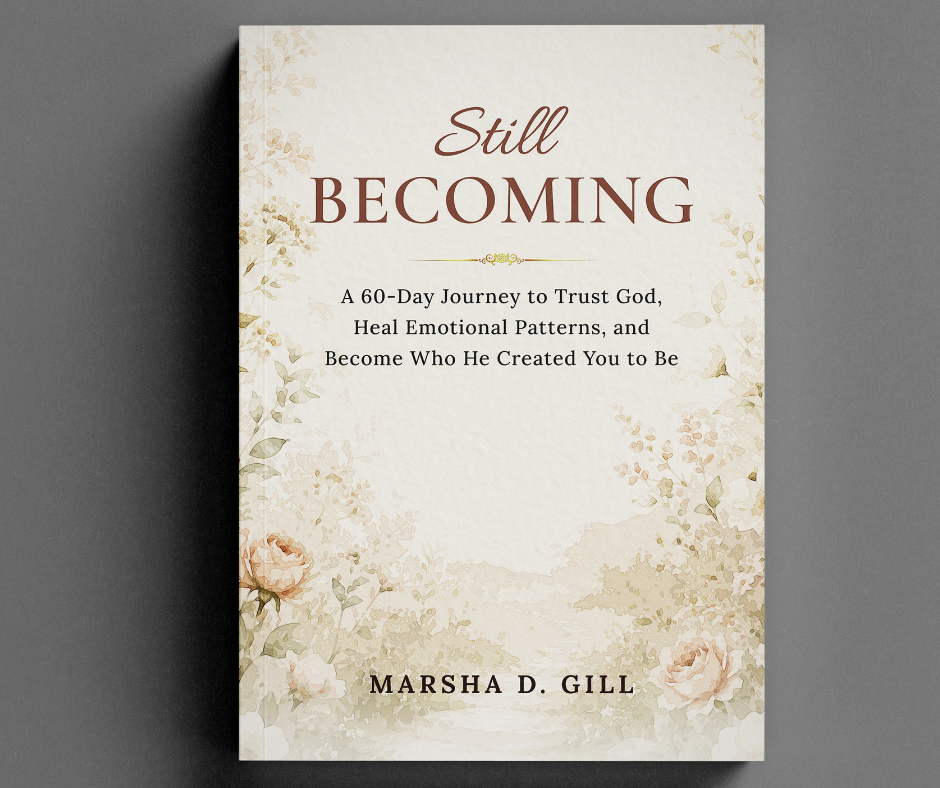
And if you’re looking for a faith-centered space to continue your healing and growth, Still Becoming invites you to explore your story with curiosity, compassion, and the reminder that God isn’t finished with you yet. You don’t have to become a woman who never needs anyone. You can become a woman who knows how to stay connected to herself even when someone she loves cannot meet her where she needs them to.