
Healing the mother wound can feel complicated when your mother is still very much a part of your life. You may love her. You may talk to her every day. You might spend holidays together, help care for her, take family trips together, or genuinely enjoy parts of your relationship.
And still, there may be parts of you that hurt.
Maybe one conversation with your mother can leave you questioning yourself for the rest of the day. Maybe you still find yourself hoping she will finally understand something you’ve tried to explain for years. Or maybe you’ve accepted that your mother loves you, while also beginning to recognize that some of the things you needed from her emotionally simply weren’t available.
That’s what can make healing the mother wound while your mother is still in your life so confusing. You aren’t necessarily trying to end the relationship. You may simply be trying to figure out how to have a relationship with your mother without losing yourself inside of it.
And that is a different kind of healing.
What Is the Mother Wound?
The mother wound is a term often used to describe the emotional pain, beliefs, unmet needs, and relationship patterns that can develop through our experiences with our mothers or maternal caregivers. It doesn’t always come from having a “bad mother.”
Sometimes the wound developed because your mother was carrying wounds of her own. Maybe she grew up in a family where emotions weren’t discussed. Maybe survival, achievement, obedience, faith, keeping the peace, or simply getting through the day took priority over emotional connection. She may have loved you deeply and still not known how to give you what she never received herself.
As a result, you may have learned things like:
- Keep your feelings to yourself.
- Don’t disappoint Mom.
- Be the good daughter.
- Don’t make things harder.
- Keep the peace.
- Take care of everyone else.
- Your needs are too much.
- Being loved means being agreeable.
- If Mom is upset with you, you must have done something wrong.
Those lessons don’t simply disappear when you become an adult. You can be 35, 45, 55, or 65 years old and still notice yourself becoming a much younger version of yourself around your mother.
That’s often where the work begins.
Why Is It So Hard to Heal the Mother Wound When Your Mother Is Still in Your Life?
Because the relationship isn’t only part of your past. You’re still in it. It’s still happening. For some daughters it can look like
- Working on your boundaries while your mother is still questioning them.
- Learning to trust yourself while she still has opinions about your decisions.
- Trying to use your voice while part of you is still afraid of disappointing her.
- Grieving what you didn’t receive while simultaneously having Sunday dinner with her.
This can be difficult not doubt and it’s a very different experience from healing a relationship that has ended.
And there can be another layer:
Hope. Hoping things will be different “the next time”
Maybe you keep hoping the next conversation will be different. Maybe this time she’ll understand. Maybe if I explain it differently, she’ll finally hear me. Maybe one day she’ll acknowledge what happened. Maybe she’ll become the mother I need now.
Hope isn’t necessarily a bad thing. But healing sometimes requires us to notice when our hope is keeping us emotionally dependent on another person changing. One of most difficult things to accept is your healing cannot require your mother to become someone different first.
7 Ways to Heal the Mother Wound When Your Mother Is Still in Your Life
1. Tell Yourself the Truth About Your Relationship
Healing begins with honesty. Not blame. Not judgment but straight up…Honesty. There may be beautiful things about your relationship with your mother and painful things. Both can be true. Your mother may have sacrificed tremendously for you, and you can still acknowledge what was missing. She may have done the best she knew how to do, and her choices may still have affected you. You can appreciate what she gave you without pretending you didn’t need more. Instead of asking, Was my mother a good mother or a bad mother? try asking:
What did I experience in this relationship, and what did I learn from it?
That question moves us away from assigning a villain and toward understanding our story.
2. Notice Who You Become Around Your Mother
One of the most revealing parts of healing the mother wound is paying attention to what happens inside of you when you’re around your mother.
Do you become quieter?
Do you overexplain yourself?
Do you immediately become defensive?
Do you feel responsible for her mood?
Do you agree with things you don’t actually agree with?
Do you feel guilty saying no?
Do you desperately want her approval?
Do you leave conversations feeling like you’re 12 again?
These reactions can tell you something. Your adult self may know you’re capable of making your own decisions, but another part of you may still be responding from an old emotional pattern. I often think of that younger emotional part as your Inner Daughter.
Instead of criticizing her, get curious.
Ask yourself: What am I afraid will happen right now? What am I needing from my mother in this moment? What does this remind me of? How old do I feel right now? What would help me stay connected to myself?Curiosity helps us understand the pattern before automatically repeating it.
3. Stop Making Your Healing Dependent on Her Understanding
This can be one of the hardest parts. You may want your mother to understand and she may never get it. You may want her to acknowledge the impact. She many never take accountablity.
You may want to hear: “I understand why that hurt you.” “I should have handled that differently.” or a simple “I’m sorry.” And wanting those things is completely understandable. But what happens if she can’t give them?
Some mothers become defensive.
Some minimize.
Some genuinely don’t remember events the same way.
Some aren’t emotionally ready to look at themselves.
And some simply don’t have the emotional language or capacity their daughters wish they had. Your healing cannot live permanently in the waiting room of your mother’s awareness (that’ll preach).
There comes a point when you may have to ask:
If my mother never fully understands my experience, can I still learn to understand and validate it for myself?
That’s where something begins to shift.
4. Grieve the Mother You Needed Without Rejecting the Mother You Have
Mother-wound healing often involves grief. And grief isn’t reserved for death. Sometimes we grieve what we didn’t receive. Maybe you needed more affection. More emotional safety. Protection or more encouragement. Mom to show more curiosity about who you were. Mom to give more grace to make mistakes. Conversations about feelings or more room to simply be a daughter instead of being the responsible one.
Grieving those things doesn’t require you to hate your mother. It simply means you stop pretending those needs didn’t matter. Many women are actively in grief and don’t realize it.
You might say:
“I love my mother, and I wish I had felt safer talking to her.”
“I know she sacrificed for me, and I needed more emotional support.”
“I understand more about her story now, and what happened still affected me.”
Healing often lives in that and. You don’t have to erase your mother’s humanity to honor your own.
5. Learn to Give Yourself What You’ve Been Trying to Get From Your Mother
This is where mother-wound healing becomes less about changing your mother and more about changing your relationship with yourself.
Ask yourself:
What am I still waiting for my mother to give me?
Permission?
Approval?
Validation?
Comfort?
Encouragement?
Reassurance?
The feeling that you’re enough?
Now ask a second question:
How can I begin practicing that for myself?
If you’ve always needed her approval before trusting your decisions, practice making small decisions without asking what she thinks. If you’ve wanted her to validate your emotions, practice saying:
“It makes sense that I feel this way.”
If you learned to dismiss your needs, start asking yourself what you need before automatically taking care of everyone else. This isn’t about convincing yourself that you don’t need people.
We all need connection. It’s about learning that your mother doesn’t have to be your only source of emotional safety, validation, or belonging.
6. Set Boundaries That Protect the Relationship You Want to Have
Boundaries aren’t automatically about cutting your mother off. Sometimes boundaries are what make staying connected possible.
Maybe your boundary sounds like:
“I’m not discussing my marriage.”
“Mom, I know you disagree, but I’ve made my decision.”
“I’m going to head home now. We’ll talk later.”
“I don’t want comments about my body.”
“I’m not able to do that this weekend.”
Notice that a boundary doesn’t require a long explanation. This can be especially difficult if you grew up believing that being a good daughter meant keeping your mother happy. You may feel guilty. Your mother may be disappointed. She may even push back. But someone else’s discomfort doesn’t automatically mean you’ve done something wrong. Hello! Part of healing is learning to tolerate the discomfort of being your own person.
7. Decide What a Healthy Relationship With Your Mother Looks Like Now
One of the most important questions in mother-daughter healing is: What relationship is actually possible between us now? Not the relationship you wish you had. Not the relationship social media tells you mothers and daughters should have. Not the relationship someone else has with her mother. Yours. Yours…
Maybe your mother can be someone you shop with but not someone you process your deepest emotions with. That’s okay.
Maybe you can enjoy Sunday dinner but need boundaries around certain conversations. That’s okay.
Maybe you need shorter phone calls. That’s okay.
Maybe you need more emotional distance. That’s okay.
Or maybe healing opens the door to deeper conversations and a relationship neither of you knew how to have before. That’s okay.
The goal isn’t always closeness. The goal is healthier connection—and sometimes healthier connection requires different levels of access.
Healing Doesn’t Mean You Stop Getting Triggered
This here is a big one….One of the biggest misconceptions about healing is believing that eventually nothing your mother says or does should bother you. Low your expectations. That’s not necessarily realistic. Healing may look more like noticing the trigger sooner.
You recognize:
There I go trying to prove myself again.
I’m overexplaining because I’m afraid she’ll be disappointed.
I’m looking for approval.
I’m making her mood my responsibility.
And instead of automatically following the old pattern, you pause.
You choose differently.
That’s growth.
The goal isn’t becoming emotionally unaffected by your mother. The goal is becoming less controlled by the patterns the relationship created.
What If Your Mother Doesn’t Like the Changes You’re Making?
This is a valid question becasue it happens.
When one person changes within a relationship, the relationship has to adjust. The relationship changes. If you’ve always been the daughter who says yes, your no may feel uncomfortable. If you’ve always called first, your mother may notice when you stop carrying the entire relationship. If you’ve always explained every decision, your privacy may feel like distance to her. If you’ve always kept the peace, your honesty may initially feel like conflict. That doesn’t automatically mean you’re doing something wrong. The truth is sometimes people experience our boundaries as rejection because they have benefited from us not having them.
But boundaries don’t have to be punishment. You can be loving and clear. Compassionate and firm. Connected and separate…. A daughter and still your own woman.
Can You Heal the Mother Wound Without Cutting Off Your Mother?
Absolutely.
For some women, distance or estrangement may be necessary for their circumstances. But cutting off your mother is not a requirement for healing. You can heal while remaining in relationship. The relationship may simply need to change. Healing might mean your mother’s opinion no longer determines your worth. It might mean saying no without spending three days feeling guilty.
Letting her be disappointed without rushing to fix it. It might mean accepting that she has limitations without repeatedly asking her to meet needs she has shown you she cannot meet. Sometimes healing means discovering new ways of relating to one another.
The question becomes less:
“How do I get my mother to change?”
and more:
“How do I want to show up in this relationship now?”
That’s a question you have much more power to answer.
You Can Love Your Mother and Still Heal
Healing the mother wound isn’t about building a case against your mother. It’s about understanding your story. Understanding your mother daughter relationship story. What happened? What was missing? What did you learn to believe about yourself? What patterns did you develop to stay connected, safe, loved, or accepted?
And which of those patterns are you ready to stop carrying?
Your mother has a story. Her mother had a story. And somewhere along the way, beliefs, wounds, survival strategies, expectations, and ways of relating may have traveled from one generation to another.
You don’t have to hate the women who came before you to decide that something will be different with you. You can honor your mother’s humanity without abandoning your own emotional needs. You can love her without making yourself responsible for her feelings. You can understand her story without using it to explain away yours. And you can heal even if she never completely understands why you needed to.
Your relationship with your mother may be part of your story.
But it doesn’t have to determine the rest of it.
Ready to Begin Healing Your Mother-Daughter Story?
If you’re beginning to recognize yourself in these patterns, you don’t have to figure everything out at once.
Through my 1:1 Mother-Daughter and Inner Daughter Relationship Coaching, I help women explore their mother-daughter stories with curiosity rather than judgment, understand the emotional patterns they’ve carried into adulthood, and begin building a healthier relationship with themselves and the people they love.
We aren’t simply asking, “What did Mom do?”
We’re exploring deeper questions:
What did you learn? What did you need? What are you still carrying? And who are you becoming now?
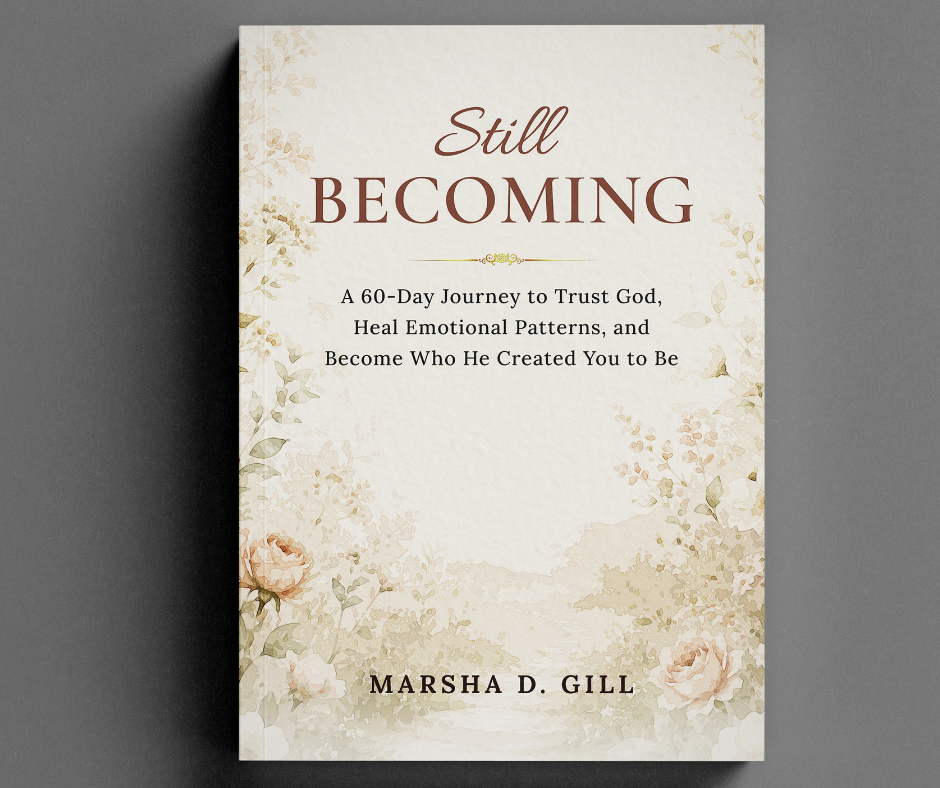
You can also continue this work through Still Becoming: A 60-Day Journey to Trust God, Heal Emotional Patterns, and Be Who He Created You to Be, a faith-centered journey for women ready to understand their patterns, reconnect with themselves, and make room for who God is still shaping them to become.
Because healing doesn’t require your story to have been perfect.
It simply asks you to become curious enough to understand it—and courageous enough to decide what you want to carry forward.