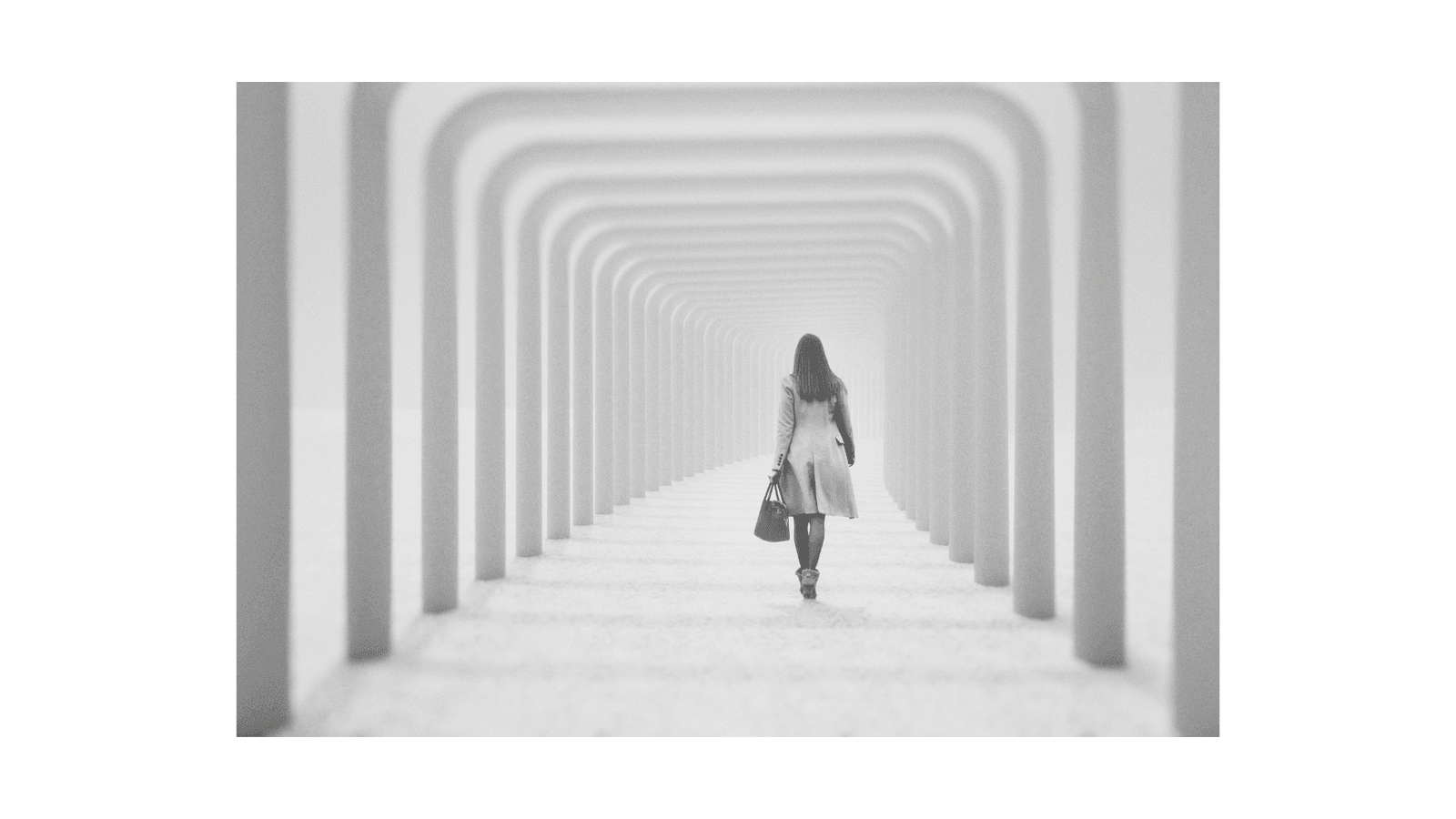

The Vanishing Half Chapter Five
Series: What Was Inherited — A Chapter-by-Chapter Healing Read
Book: The Vanishing Half
Where We Are in the Story (So We’re Grounded Together)
By Chapter Five, we’re fully in Part II: Maps, a section that’s less about where the characters are going, doing and more about what they’re carrying with them.
Jude has left Mallard for college. She’s entered a new environment, one that promises possibility and distance from the harm she endured growing up. On the surface, this should feel like a fresh start. Right. But this chapter quietly reminds us of something many daughters learn the hard way at that is, leaving home doesn’t automatically undo what home taught you.
From a mother–daughter lens, Chapter Five is about what travels with us, even when we’re determined to be different. It’s about leaving home with a suitcase in one hand—and a lifetime of learned responses in the other.
Because many daughters leave saying,
“I’m done, I’m not going to live like that.”
“I’m not going to be her.”
“I’m doing things differently.”
And then they arrive in new spaces and notice things they didn’t expect.
Like how they:
- Apologize before they speak, even when they’ve done nothing wrong
- Scan rooms for approval or danger without realizing it
- Struggle to relax, even when nothing bad is happening
- Feel responsible for managing other people’s comfort
- Keep parts of themselves quiet, just in case
That’s not a weakness.
That’s conditioning. That’s memory.
It shows up when you’re finally “free,” but still feel tense.
When you’ve built a good life, but your body hasn’t gotten the memo.
When you succeed and still feel like you’re waiting for the other shoe to drop or something to go wrong. Many daughters recognize this moment…………….
I left home… so why do I still feel like I’m bracing myself?
What This Chapter Is Really About
Chapter Five isn’t driven by big plot moments. It’s driven by internal adjustment. Jude is learning how to exist in a new space academically, socially, and emotionally. And while the setting has changed, her body hasn’t forgotten what it learned in Mallard.
So, for me, this chapter is about:
- Entering new spaces with old survival skills
- Learning that freedom doesn’t instantly create safety
- Realizing that vigilance can follow you even when danger doesn’t
It’s about the quiet confusion that comes when you thought leaving would change everything… and it didn’t.
What Stirred Me in This Chapter
What stirred me most is how careful Jude still is. She doesn’t arrive on campus unmarked. She arrives observant. Reserved. Measured. She’s watching people. Studying how they move. Paying attention to what’s safe to say and what’s better left unsaid. That kind of attentiveness doesn’t come from nowhere. It comes from years of learning that visibility can cost you. That being seen doesn’t always mean being protected. So even in a new environment—one that’s supposed to be liberating—Jude’s nervous system stays alert. That felt painfully familiar. Because so many daughters leave home believing that distance alone will bring relief… only to discover that the body takes longer to catch up than the mind.
What This Reveals About Emotional Inheritance
Chapter Five makes something very clear: emotional inheritance isn’t erased by geography. Jude inherited more than her mother’s strength. She inherited her mother’s caution.
Desiree learned, like many of us, through loss, violence, and survival that safety is never guaranteed. And without ever meaning to, she passed that understanding on to her daughter.
Not through words.But through posture.Through vigilance.Through what wasn’t said.
This is how emotional inheritance works in mother–daughter relationships.
We don’t just inherit beliefs.
We inherit nervous systems.
Jude carries her mother’s wisdom about the world—even as she tries to build a life beyond it.
The Mother–Daughter Dynamic Beneath the Surface
As a mother–daughter coach, I can’t read this chapter without noticing how much Desiree’s love is present in Jude’s caution.
Desiree raised her daughter to survive.
To be aware.
To protect herself.
And Jude did exactly that.
This chapter invites a hard but compassionate truth:
Sometimes the very traits that helped us survive childhood can limit our ability to feel safe in adulthood.
That doesn’t mean mothers failed. It means they parented within the reality they knew.
Desiree couldn’t promise Jude ease. So she gave her preparation.
When New Spaces Reveal Old Patterns
Chapter Five also names something many women experience but struggle to articulate:
New environments don’t erase old patterns.
They expose them.
College offers Jude an opportunity but it also highlights how different she feels. How much effort it take to belong. How much she’s still holding herself back.
This is common for daughters who grew up managing harm. They leave home expecting relief.
Instead, they find themselves asking:
- Why am I still so tense?
- Why don’t I feel free yet?
- What’s wrong with me?
The answer isn’t that something is wrong. The answer is that healing is slower than movement.
The Cost of Constant Self-Monitoring
Chapter Five quietly reveals the toll of always paying attention, always self-monitoring…
Always adjusting.
Always reading the room.
Always anticipating harm.
That kind of self-monitoring is exhausting. Many adult daughters live like this without realizing why they’re so tired, why rest feels unsafe, or why joy feels tentative. Jude’s experience reminds us that exhaustion isn’t always about workload. Sometimes it’s about never feeling fully at ease.
A Gentle Reflection for You
As you sit with this chapter, consider these questions softly:
- What did you expect leaving home to fix for you?
- What parts of yourself stayed on high alert even after the danger passed?
- What would it feel like to let safety be learned slowly, instead of proven immediately?
There’s no pressure to change anything.
Just notice.
Awareness is where compassion begins.
If You Want to Read Along
If this reflection resonates, you’re invited to keep reading with us. You can find The Vanishing Half by Brit Bennett on Amazon HERE
Read gently.
Some chapters aren’t meant to be rushed.